
The Butterfly Pig: Supporting Children through Medical Play
As a pediatric oncology nurse and now founder of The Butterfly Pig, I’ve watched thousands of children in medical situations transform fear into curiosity through hands-on-play. Play is how children learn, express fear, make sense of their world and process what they’re going through long before they develop the words to explain what they’re feeling. During healthcare experiences and medical procedures, play can be a powerful tool to reduce stress and increase confidence among even the youngest patients.
When a child sees a doll with a G-tube, a port, a central line, or infusion gear just like theirs, something powerful happens. Research in pediatric psychology shows that children cope better when their experience feels normal and understood. At the Butterfly Pig we create interactive, child-friendly medical toys that make healthcare experiences approachable, empowering, and a lot less scary for kids.
what Should families and professionals know about Medical Play?
My nephew, Elijah, who has Hypoplastic Left Heart Syndrome, was anxious and withdrawn during his frequent echocardiogram (ECHO) procedures. A toy echo machine changed everything for him. After playing with the toy he walked into his next appointment proudly showing the tech how to do her job. The experience became something he was a part of rather than something that was happening to him. That’s the power of realistic play: it gives kids a sense of control.
Medical anxiety is common, and play can reduce it. Anxiety can increase pain, lengthen procedures, and raise the need for sedation. Even quick or “painless” procedures can create traumatic memories. Play gives children the chance to learn, practice, and feel prepared.
Realistic tools matter. Children learn best when play resembles real life. Realistic, functional toys can help transfer what is learned through play to their real medical experiences.
Familiarity reduces fear. Getting to know the tools that will be used makes a child less fearful of their surroundings.
Medical play reduces restraint and helps protect emotional safety. When time is taken to prepare, children are more likely to cooperate and experience less distress.
Who Should Lead Medical Play?
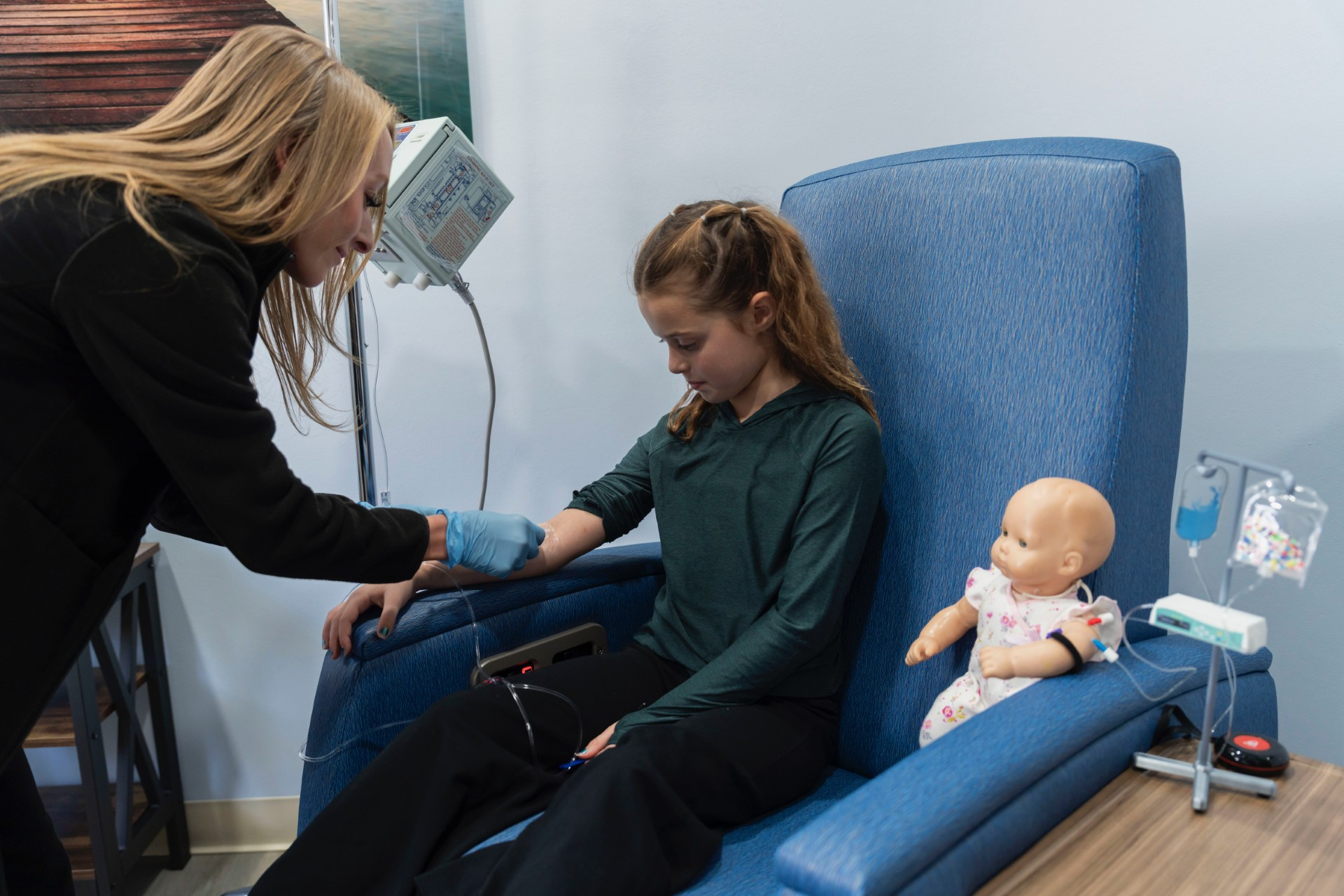
Certified Child Life Specialists (CCLS) use evidence-based play methods every day in clinical settings. These activities help children become active participants in their care and encourage them to self-advocate. While a CCLS can be an integral part of a child’s care team, parents play a powerful role as well.
Parents often assume they need formal medical training to support their children. They don’t, they just need tools to make participation possible. Their involvement during procedures can significantly lower a child’s distress. When parents feel empowered, their children feel safer, because kids mirror their caregivers’ emotional states.
How can siblings benefit from medical play?
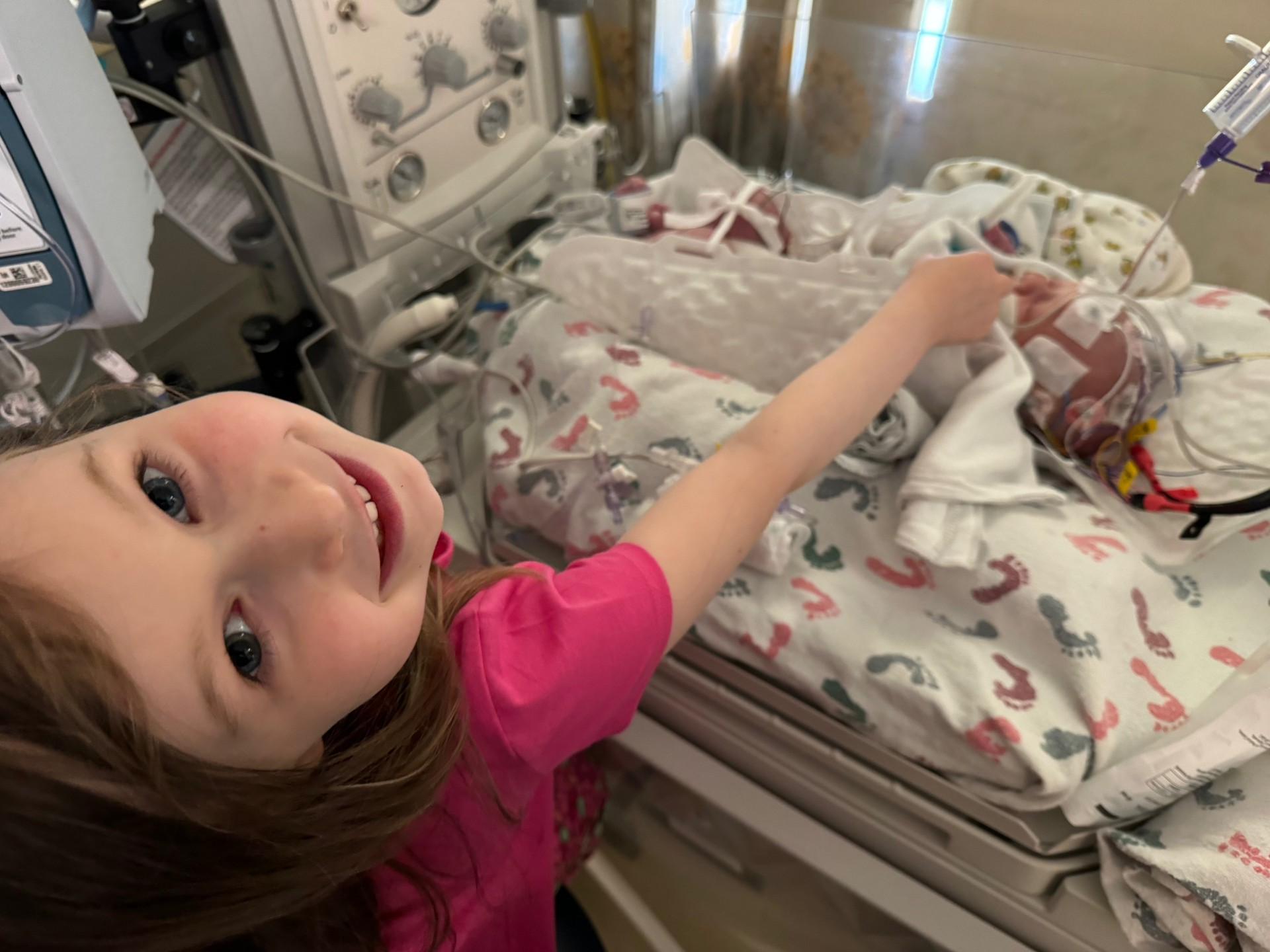
Medical play supports everyone. There is no “wrong” way to use it. Parents can build and model their own coping strategies. Kids can repeat steps until it feels familiar, and their siblings can learn to process the experiences that are happening around them.
When my youngest child was in the Neonatal Intensive Care Unit (NICU), I had already built The Butterfly Pig. I was in survival mode, overwhelmed by the needs of my fragile infant and struggling to support the mental and emotional needs of my four-year-old. Medical play was a small way to make a big impact, helping my older child feel calm and confident. She knew what to expect when she walked into the NICU and was excited to share what she knew with those around her.
Accessible medical play benefits children, families, and staff
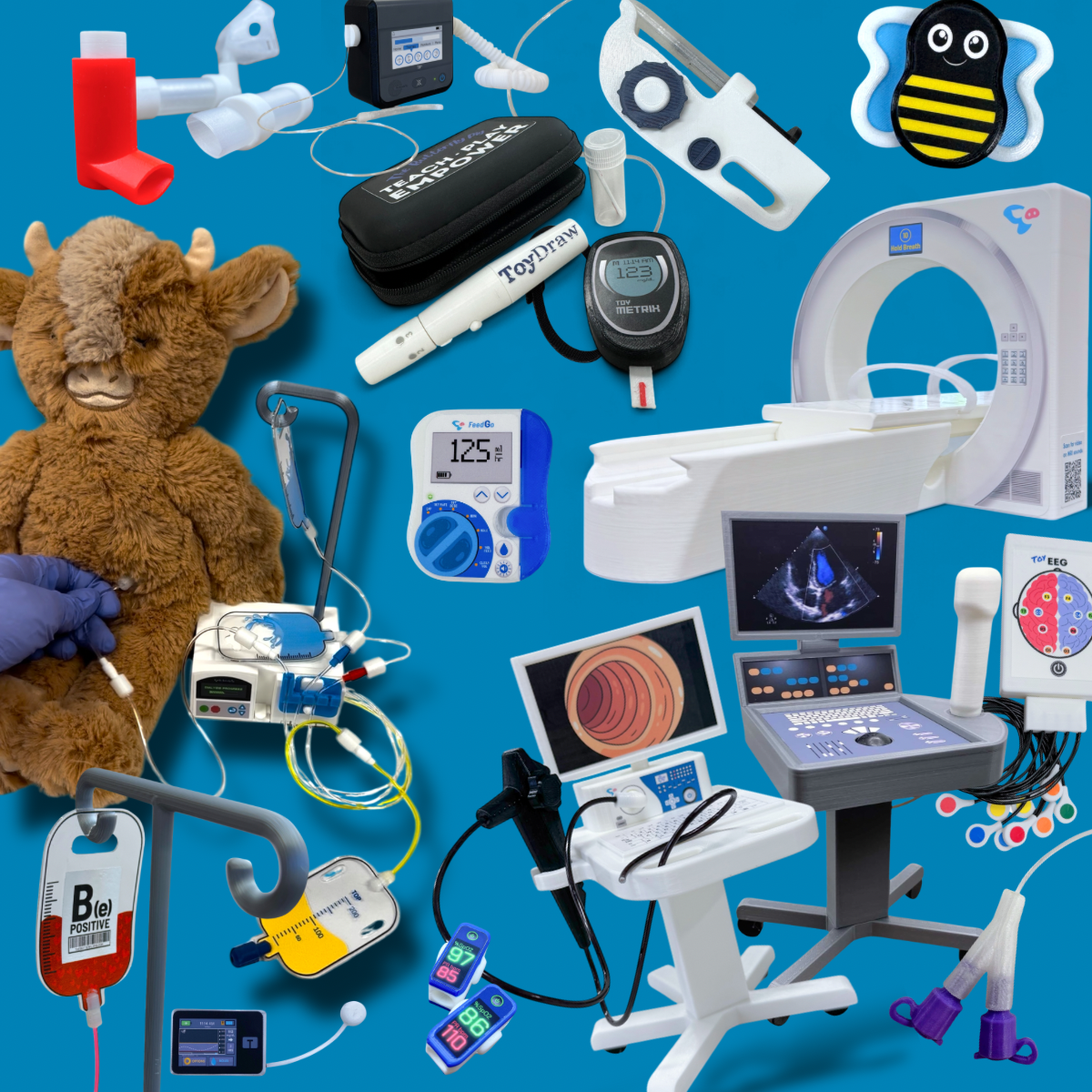
Toys are a deeply practical, evidence-aligned way to build trust, educate, improve cooperation, strengthen coping skills, and help medical providers connect in a meaningful way. In my dream world, every hospital room would have a toy version of whatever device a child is using in real life:
A toy port on their stuffie when a child gets theirs placed
A toy infusion pump beside the real one
A toy echo for the cardiology visit
A toy oxygen mask at the bedside
What is the Wishful Wings Program?
Through The Butterfly Pig’s Wishful Wings Program families, hospitals, and educators can create customized registries with our inclusive medical toys. If your child or organization could benefit from the toys we have created, consider making and sharing a Wishful Wings registry.
You can also "Play" It Forward. Your kindness can bring a little magic to someone else's journey. Explore our Wishful Wings registries and discover how you can gift toys and tools directly to families, hospitals, or classrooms who need them most.

Written By: Mary Jenner, BSNS, RN, PHN, CTSS, Founder & CEO of The Butterfly Pig, a company dedicated to transforming children’s healthcare experiences through play-based education and trauma-informed tools. Drawing from her background in pediatric oncology and her lived experience as both a nurse and parent, Mary has become a leading voice in addressing medically-induced trauma and advancing emotional safety standards in pediatric care. Her work has reached more than 100 hospitals worldwide, and early pilot studies demonstrate that her medical play tools reduce pediatric anxiety by up to 40% after a single interaction, while increasing cooperation, family involvement, and provider efficiency. Mary’s mission is to ensure that healing never causes harm by equipping hospitals, providers, and families with the resources and frameworks to deliver emotionally safe, family-centered pediatric care.